
The paperwork that decides whether your shipment moves — or sits at a border.
A shipment can clear the factory floor perfectly and still sit for days at a border because nobody flagged the paperwork in time. We coordinate freight and customs clearance alongside production — working with the appropriate customs and logistics partners — so documentation is handled ahead of time, not scrambled at the last minute, wherever your goods are headed.
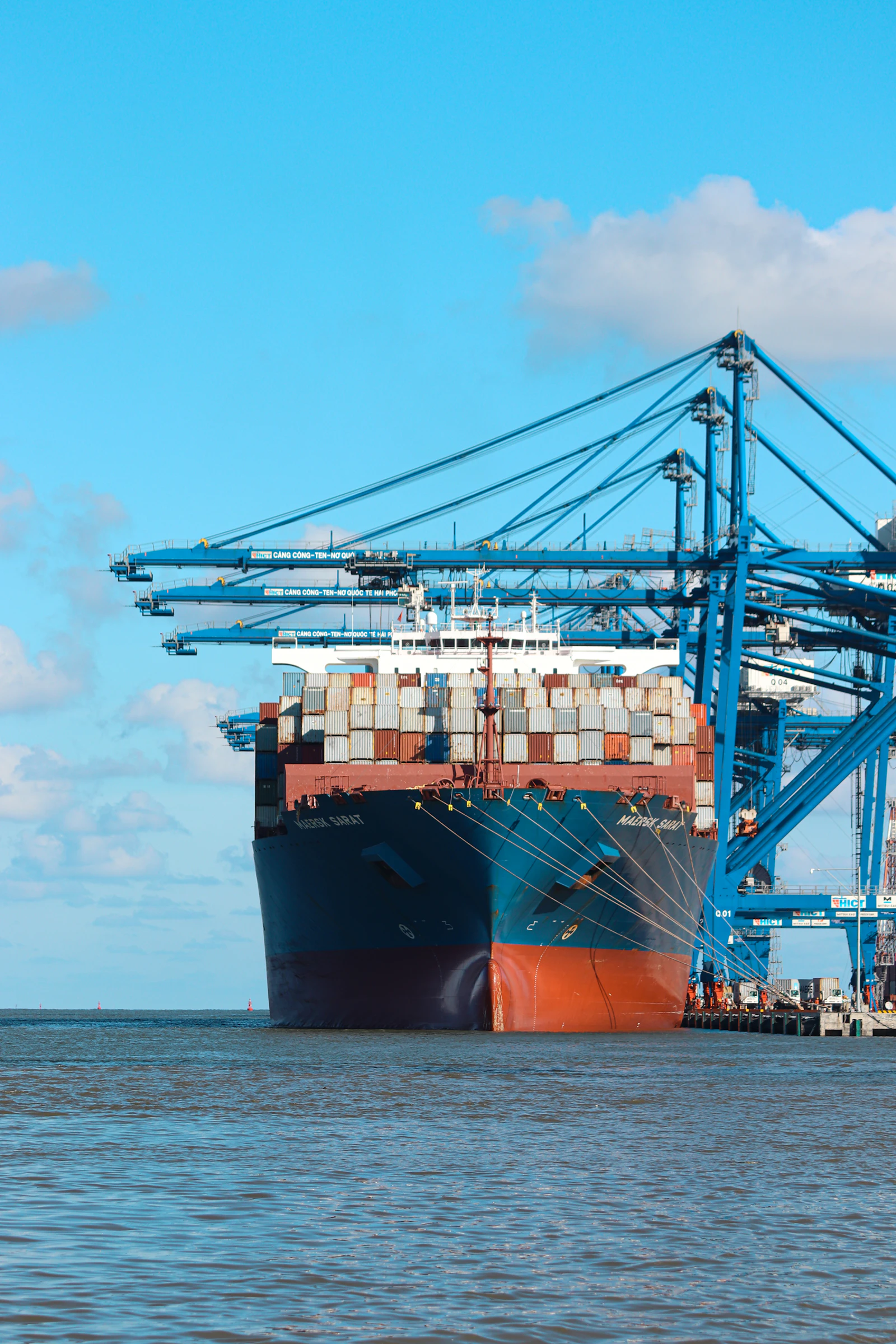
From "it left the factory" to "it's at your door."
Freight and customs are two different jobs that fail for the same reason: nobody owned the handoff between them. We treat it as one job. Coverage runs first-mile pickup from the factory through customs clearance to last-mile delivery at the destination address — warehousing and multi-destination fulfillment in between are handled separately under Fulfillment & Distribution.
Ocean, Air & Express Freight
We book the mode that fits the shipment — cost-driven ocean freight, time-driven air freight, or express courier for smaller or urgent runs — instead of defaulting to whatever's easiest.
Customs Clearance Coordination
We coordinate clearance with the appropriate customs and logistics partners at destination, so classification and duties are handled correctly the first time.
Import Documentation
Commercial invoices, packing lists, and certificates get prepared and checked against the shipment before it moves — not assembled after a hold-up has already started.
Door-to-Door Delivery
Coordination continues past the port or airport, through inland transport to the final address — one shipment to track, not a relay of separate bookings.
DDP Support
When it makes sense, we can help structure a shipment as Delivered Duty Paid, so duties and clearance are settled before it arrives rather than becoming a surprise invoice at the border.
Ocean or air isn't a brand preference — it's a math problem.
The right mode depends on your timeline, your volume, and how much a delay actually costs you.
When Ocean Freight Makes Sense
- Larger volumes where cost per unit matters more than speed
- Timelines with a few weeks of built-in buffer
- Bulky or heavy goods where air pricing gets punishing fast
- Recurring, plannable replenishment rather than a one-off rush
When Air Freight Makes Sense
- Launch dates or events that can't move
- Smaller or lighter shipments where speed outweighs the cost gap
- Filling a gap after an ocean shipment runs late
- High-value goods where warehousing time itself carries a cost
From a production finish date to a cleared delivery.
Freight is planned before production finishes, not after — that's what keeps a shipment from sitting idle waiting on a booking.
Quote & Plan
We quote freight options against your timeline while production is still running, so the mode is decided before the goods are ready to move.
Book & Document
Bookings are confirmed and documentation is prepared and checked in advance, aligned to the shipment that's actually leaving the factory.
Track & Clear
We track the shipment in transit and coordinate clearance with customs and logistics partners at destination as it arrives.
Deliver
Inland transport is coordinated through to final delivery, with status visible the whole way rather than going quiet once it clears the port.
What actually moves the cost and timeline.
Freight quotes vary a lot, but the underlying factors are consistent.
- Freight mode & routing
- Shipment weight & volume
- Destination & last-mile distance
- Incoterms & who holds duty risk
- Seasonal capacity & booking lead time
- Documentation complexity
Incoterms & documentation
We can quote under whichever incoterm fits your setup — FOB, DDP, or otherwise — and explain plainly what each one means for who's responsible for duties and clearance.
Today, our freight coordination runs strongest on lanes between China and North America; the same coordination model extends to other markets as your shipping does.
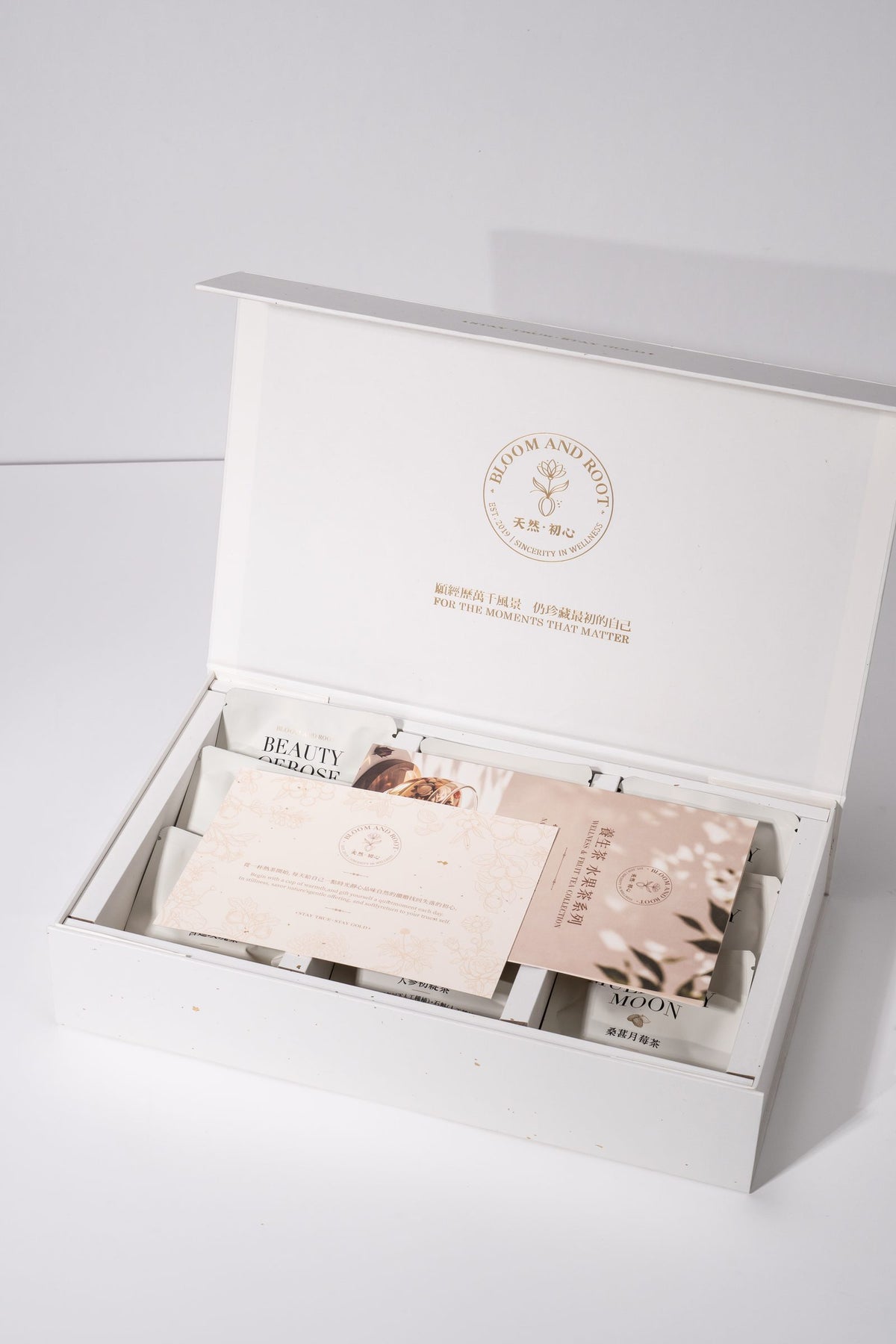
Production and freight, planned as one timeline instead of two.
Freight was coordinated alongside the manufacturing run itself, so the finished order moved as soon as it was ready — no gap between "the factory is done" and "the shipment is booked."
Read the case study →Freight and customs questions we hear most.
How do I ship manufactured goods from China to Canada or the US?
The shipment gets booked under a freight mode that fits your timeline, documentation is prepared and checked in advance, and clearance is coordinated with the appropriate customs and logistics partners at destination — planned alongside production, not after it's already finished.
Air freight vs. ocean freight — which should I use?
It comes down to timeline and volume. Ocean freight is generally cheaper per unit and suits larger, plannable shipments; air freight costs more but suits smaller runs or dates that can't slip. We'll quote both when it's a close call.
What does DDP shipping from China include?
Delivered Duty Paid means duties and import clearance are settled before the shipment arrives, so there's no separate invoice or hold-up waiting for you at the border. We can structure a shipment this way when it fits your setup.
What's the difference between FOB and DDP pricing?
Under FOB, you take on responsibility (and cost) for freight, duties, and clearance once the goods leave the factory. Under DDP, that's bundled into what you're quoted, and it's handled on your behalf through to delivery. Neither is universally better — it depends on how much of that coordination you want to hold yourself.
Can freight and customs be handled without using Warwick Link for manufacturing?
Yes. If your goods are already produced and you just need freight booked and clearance coordinated, that piece can stand on its own — it doesn't require routing production through us as well.
Have a shipment that needs to move — and clear — on schedule?
Tell us what you're shipping and where it's headed. We'll help you figure out what a realistic freight plan looks like.